


Are OEM or Aftermarket Commercial Truck Parts in Cumberland, RI Better for Your Fleet?
OEM or aftermarket truck parts? For Cumberland fleet owners, the right choice goes beyond price. Discover how fitment, safety, warranties, and availability affect repair costs, vehicle reliability, and downtime across Rhode Island's busiest freight routes.
Dedicated to top-notch customer care.
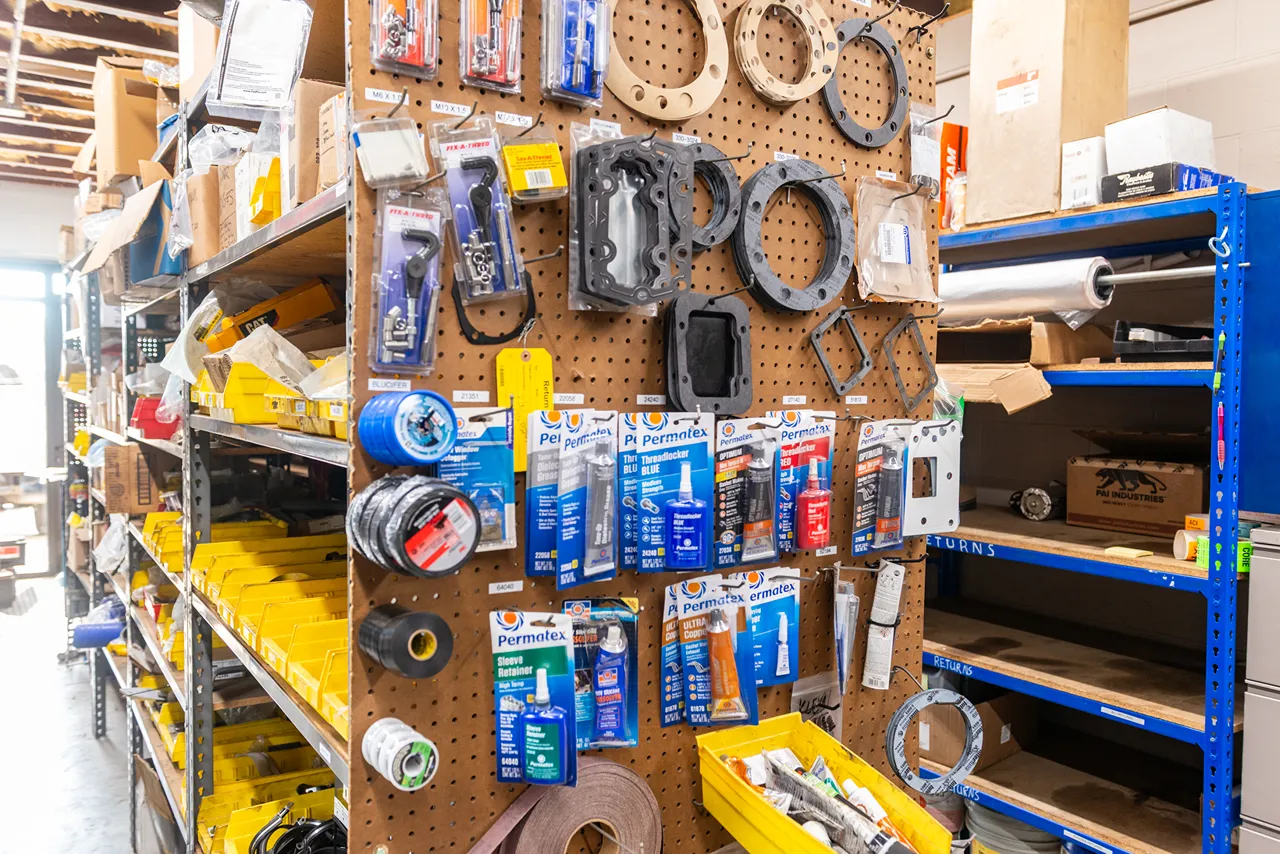

Your truck needs replacement brake components, but the supplier offers two options at very different prices. For commercial fleets operating around Cumberland, Rhode Island, choosing the cheaper part might seem like an easy way to cut maintenance costs. However, the wrong component can lead to compatibility problems, repeat repairs, and costly downtime. Understanding how OEM and aftermarket parts compare helps you make smarter purchasing decisions without compromising reliability.
What Is the Difference Between OEM and Aftermarket Truck Parts?
OEM (Original Equipment Manufacturer) parts are manufactured or supplied according to the vehicle manufacturer's specifications. These components are designed for particular truck applications, making them a dependable option when precise fitment and manufacturer-supported specifications matter.
Aftermarket heavy-duty truck parts come from manufacturers outside the original vehicle manufacturer's parts distribution system. Their quality, specifications, and compatibility vary, but reputable alternatives can provide comparable performance for many replacement applications.
For fleet managers purchasing commercial truck parts, neither category automatically guarantees better value.
OEM components are often worth considering for specialized systems, while aftermarket alternatives can make sense for routine maintenance and frequently replaced components.
The decision ultimately depends on your truck's configuration, operating requirements, and the component you're replacing.
How Do OEM and Aftermarket Truck Parts Compare?
Before choosing OEM truck parts Rhode Island suppliers offer, compare the factors that influence reliability and total repair expenses.
Fitment
- OEM parts: Designed for specified vehicle applications.
- Aftermarket parts: Require careful compatibility verification.
Price
- OEM parts: Often carry a higher initial cost.
- Aftermarket parts: May offer more affordable alternatives.
Availability
- OEM parts: Availability depends on OEM and dealer inventory.
- Aftermarket parts: Additional manufacturers may increase sourcing options.
Quality
- OEM parts: Meet relevant original specifications.
- Aftermarket parts: Quality varies by manufacturer and product.
Warranty
- OEM parts: Coverage depends on manufacturer terms.
- Aftermarket parts: Coverage depends on supplier and manufacturer terms.
Applications
- OEM parts: Useful for specialized, manufacturer-specific systems.
- Aftermarket parts: Suitable for many routine replacements when properly matched.
Does a Lower Purchase Price Mean Lower Maintenance Costs?
Not necessarily. A replacement part that costs less upfront could become more expensive if it fails prematurely or requires additional installation work.
Consider a delivery truck awaiting repairs before another scheduled run along Interstate 295. Saving $75 on a replacement component offers little benefit if incorrect fitment delays the truck's return to service.
Fleet managers should compare the total installed cost, including labor, downtime, expected service life, and potential repeat repairs.
Which Parts Offer Better Warranty Protection?
Neither category automatically provides superior warranty coverage. OEM parts may include manufacturer-backed protection, while reputable aftermarket suppliers frequently offer their own warranties.
Before purchasing, check coverage periods, exclusions, labor reimbursement, and return requirements.
Also review your existing vehicle warranty or maintenance agreement. Commercial fleet contracts can contain specific conditions affecting replacement-part eligibility.
Should You Choose OEM or Aftermarket Commercial Truck Brake Parts?
Braking components deserve particular attention because they directly influence vehicle safety and stopping performance.
Heavy-duty trucks commonly use compressed-air braking systems that rely on components such as air compressors, brake chambers, slack adjusters, S-cams, brake shoes, and drums.
When purchasing commercial truck brakes, correct dimensions, component ratings, and manufacturer specifications matter more than the brand printed on the packaging.
When Do OEM Brake Components Make Sense?
OEM components can be a practical choice when your truck has specialized braking equipment or manufacturer-specific configurations.
They can also simplify parts identification when the original component number is available and a direct replacement is required.
Can Aftermarket Air Brake Components Be Reliable?
Yes. Quality aftermarket brake components can perform reliably when they meet applicable requirements and match the vehicle's braking configuration.
For example, replacement brake chambers must have the appropriate specifications for their intended application. Installing an incorrectly matched component can affect braking operation regardless of its price.
Before ordering heavy-duty air brake components, verify specifications and purchase from suppliers that provide dependable product information and traceability.
Are Aftermarket Diesel Engine Filters Worth Buying?
Engine filters are among the most frequently replaced diesel truck replacement parts Cumberland fleet operators need.
Air filters prevent contaminants from entering the engine, oil filters help remove harmful particles from lubricating oil, and fuel filters protect sensitive fuel-system components.
Because commercial trucks require regular servicing, filter costs can add up quickly across an entire fleet.
When Should You Choose OEM Diesel Filters?
OEM filters are a sensible option when a manufacturer specifies particular filtration requirements or when compatibility is difficult to verify.
They're also worth considering when maintenance agreements prescribe approved replacement products.
When Are Aftermarket Filters a Good Alternative?
Reputable aftermarket filters can provide excellent value when their filtration efficiency, flow characteristics, and service specifications match the engine's requirements.
Never assume that two filters are interchangeable because they look similar.
Compare documented specifications and follow the engine manufacturer's recommended maintenance intervals. A cheaper filter isn't a bargain if poor filtration contributes to premature engine wear.
What About Suspension, Steering, and Electrical Components?
The best replacement strategy changes depending on the system you're repairing.
Suspension and Steering Parts
Heavy-duty suspension systems support vehicle weight, distribute loads, and absorb road impacts.
When purchasing heavy-duty truck suspension parts, verify load capacity, mounting dimensions, and compatibility with your truck's axle and suspension configuration.
Aftermarket shock absorbers, bushings, and certain suspension components can be economical choices when properly specified.
Steering components require equally careful attention to geometry, fitment, and durability. Incorrect replacements can compromise handling and accelerate component wear.
Electrical Components and Sensors
Electronic components present different challenges.
Modern diesel trucks rely on sensors and control modules to monitor engine performance, emissions systems, and other critical functions.
An aftermarket sensor may physically fit but still have incompatible electrical characteristics or communication requirements.
For commercial truck electrical parts, check part numbers, electrical specifications, and manufacturer compatibility information before installation.
OEM components may be preferable when a specialized electronic system has limited verified aftermarket alternatives.
Do Federal Safety Regulations Require OEM Truck Parts?
Federal commercial vehicle regulations generally do not require every replacement part to carry an OEM brand.
Instead, applicable rules emphasize vehicle safety, proper equipment condition, and systematic maintenance.
Three important requirements include:
- 49 CFR Part 393: Establishes equipment and safety requirements for covered commercial vehicles, including braking and steering systems.
- 49 CFR 396.3: Requires motor carriers to systematically inspect, repair, and maintain vehicles and keep safety-related parts in proper operating condition.
- 49 CFR 392.7: Requires drivers to be satisfied that specified safety equipment is functioning properly before operating a commercial vehicle.
These requirements apply regardless of whether a replacement comes from an OEM or aftermarket manufacturer.
For fleets operating along Route 146 between northern Rhode Island and Massachusetts, proper component selection is essential to maintaining safe, dependable transportation.
How Can Cumberland Fleet Managers Choose the Right Truck Parts Supplier?
A dependable heavy-duty truck parts supplier should help you identify suitable components, understand purchasing options, and avoid unnecessary delays.
Before placing an order, consider five questions:
- Compatibility: Has the supplier verified your VIN, engine serial number, axle configuration, and original part number?
- Total cost: Does the quoted price account for installation requirements and possible downtime?
- Warranty: What coverage, exclusions, and return procedures apply?
- Availability: Is the component in stock, and how quickly can alternatives be sourced?
- Service life: Does the product meet the demands of your truck's operating conditions?
For businesses requiring truck parts in northern Rhode Island, access to suitable inventory can help reduce waiting periods.
That matters for Cumberland, Lincoln, and Pawtucket operations managing regular deliveries across the region.
October is also a useful time to review parts inventory before colder weather arrives. Checking brake-system moisture-control components, engine service items, and electrical reliability can help fleets prepare for winter operating conditions.
Make the Right Commercial Truck Parts Choice in Cumberland, RI
OEM parts offer manufacturer-backed specifications, while quality aftermarket alternatives can deliver competitive pricing and dependable performance. Neither option wins every comparison.
Prioritize compatibility, safety, warranty support, and total operating costs rather than purchase price alone.
If you're searching for commercial truck parts in Cumberland, RI, contact S&D Road Service at (401) 312-0017 or visit 9 Whipple Street, Cumberland, RI 02864.
FAQs
Are OEM truck parts always better than aftermarket parts?
No. OEM parts offer established manufacturer specifications, but reputable aftermarket alternatives can provide comparable performance for certain applications. The best choice depends on component quality, fitment, operating requirements, and warranty coverage.
Can aftermarket parts be used on commercial trucks?
Yes. Aftermarket parts can be used on commercial trucks when they are compatible with the vehicle and satisfy applicable safety and equipment requirements. Fleet managers should verify specifications before installation.
Which truck parts should fleets consider buying OEM?
OEM parts may be preferable for specialized electronic components, manufacturer-specific systems, or applications where aftermarket compatibility cannot be verified. The appropriate choice depends on the truck and component.
Do aftermarket truck parts affect manufacturer warranties?
Using aftermarket parts does not automatically determine whether a commercial truck warranty remains valid. Coverage depends on the applicable warranty terms, contractual requirements, and circumstances surrounding a component failure.
How can fleet managers reduce replacement-parts costs?
Fleet managers can control expenses by verifying compatibility, comparing supplier warranties, evaluating expected service life, and considering vehicle downtime. Tracking repeat repairs also helps identify components that provide better long-term value.


