
.webp)
.svg)
%201%201.svg)
What Should Cumberland Fleet Drivers Do After a Breakdown on I-295?
A commercial truck breakdown on I-295 can turn dangerous fast. Learn how Cumberland fleet drivers can secure the vehicle, pinpoint their location, communicate with dispatch, and determine when roadside repair should give way to towing or recovery.
Dedicated to top-notch customer care.
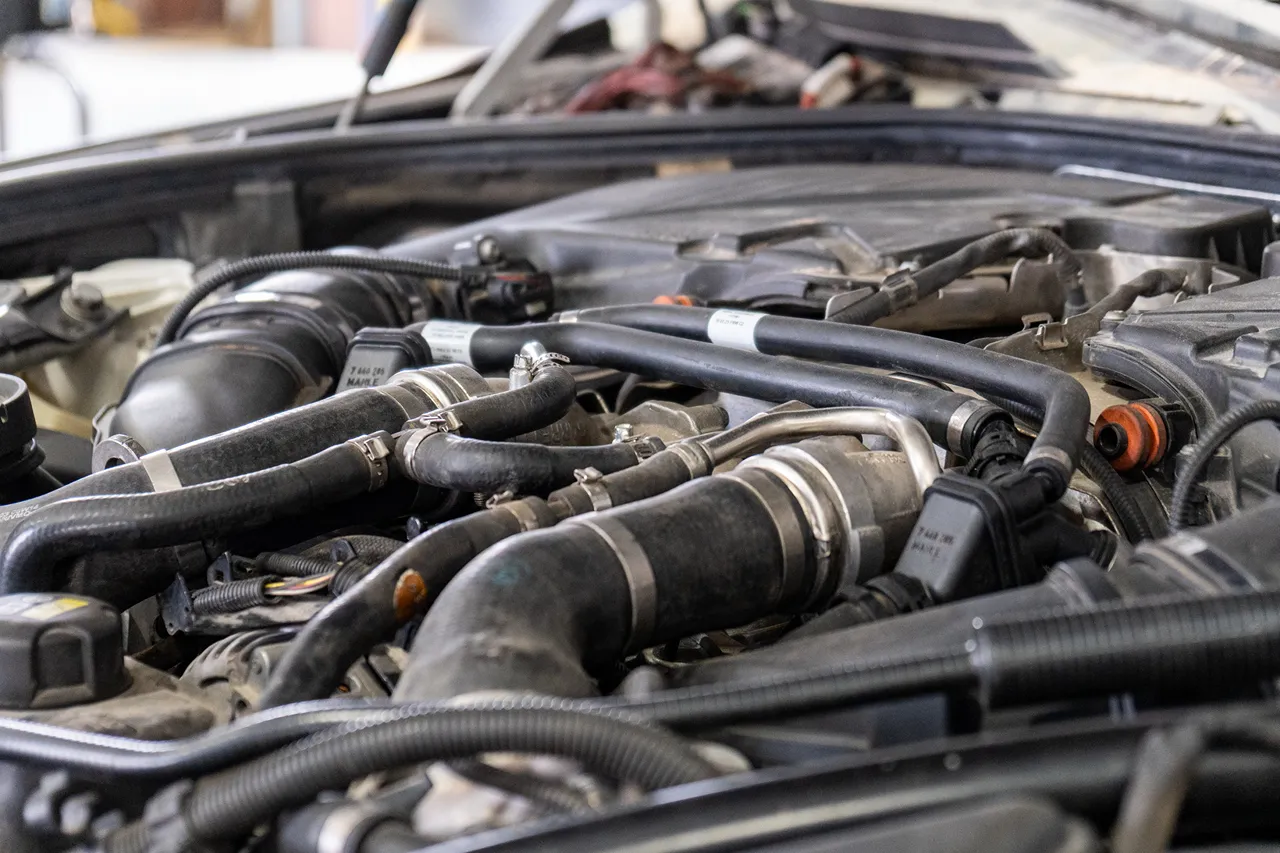

A loaded tractor-trailer loses power on I-295, and suddenly a routine Cumberland run becomes a roadside safety problem. The danger is not only the original truck breakdown but what happens next around fast-moving traffic. Your first job is to reduce exposure, communicate an exact location, and get the right help moving toward you.
Move to a Safe Position If the Truck Can Still Be Controlled
If your truck is still controllable, get as far away from active traffic as you can safely manage. Avoid stopping abruptly in a travel lane when the vehicle can still reach a safer shoulder or other protected location.
Once stopped, set the parking brake, turn on your hazard warning flashers, and assess your position. Follow your fleet's emergency procedures and contact emergency services if your truck, trailer, cargo, or location creates an immediate danger.
Not every disabled commercial vehicle should move farther. A serious air brake failure, steering problem, wheel-end failure, damaged driveline, collision, or severe tire problem can make additional movement unsafe.
That distinction matters with Class 7-8 tractors, straight trucks, delivery vehicles, vocational trucks, and commercial trailers. When the equipment itself may no longer be safe to operate, protecting people takes priority over reaching the next exit.
How Should You Pinpoint a Breakdown on I-295 in Cumberland?
Saying, "I'm broken down on I-295," leaves dispatch and the towing operator with a lot of highway to search. Give them information they can act on immediately.
Report:
- I-295 northbound or southbound
- The nearest exit
- A mile marker, if visible
- Whether you are before or after the interchange
- Whether you are on the right shoulder, left shoulder, median, ramp, or travel lane
- Your truck and trailer configuration
- Whether you are loaded or empty
- Which part of the combination is disabled
In Cumberland, Exit 20 connects I-295 with Route 122/Mendon Road, while Exit 22 connects with Route 114/Diamond Hill Road.
A useful call sounds more like: "I-295 northbound, just past Exit 20 for Route 122, loaded tractor-trailer on the right shoulder." That gives fleet roadside service or dispatch a far better starting point than simply naming Cumberland.
What Should You Tell Dispatch and Commercial Towing?
Location is only half the story. The towing company also needs to know what it is coming to recover.
Tell dispatch or the commercial towing provider the tractor type, trailer type, approximate vehicle size, loaded or empty status, and any important cargo considerations. Explain whether the tractor, trailer, or both are disabled.
Then describe what you know about the failure. Locked brakes, steering damage, a failed driveline, damaged running gear, collision damage, severe tire or wheel damage, and a trailer that cannot roll can all change the recovery plan.
A simple disabled tractor and a loaded tractor-trailer with locked trailer brakes may require very different equipment. Detailed information helps the operator decide whether you need conventional heavy-duty towing, specialized tractor-trailer recovery, or a more involved commercial truck recovery.
When Is Roadside Assistance No Longer the Right Choice?
Some problems can be addressed safely through roadside assistance. Others should end with the truck being recovered rather than driven.
Towing or recovery may be appropriate when the vehicle has:
- Severe brake-system failure
- Steering failure
- Major tire or wheel damage
- Wheel-end failure or bearing damage
- Driveline failure
- Significant air-system problems
- Trailer suspension damage
- Major collision damage
- An engine failure that cannot be safely resolved roadside
Heavy-duty wheel bearings operate under substantial loads and rely on proper lubrication; severe bearing failure can generate extreme heat and compromise the wheel assembly. Air brakes also depend on a functioning compressed-air system to operate properly. Those are not failures you want to gamble with beside interstate traffic.
If the truck cannot be operated safely, do not try to limp it to Exit 20, Exit 22, or a nearby parking area simply to avoid a tow. Continuing to drive may turn one repair into a larger mechanical failure, or create a traffic hazard.
How Should Drivers Stay Safe While the Tow Operator Works?
Once the recovery truck arrives, the roadside work area can become even busier. Give the operator room and follow their instructions instead of standing near the connection point or between the disabled truck and passing traffic.
Rhode Island's Move Over law requires motorists approaching designated stopped vehicles, including tow trucks and roadside-assistance vehicles displaying warning lights, to move over when it is safe. When they cannot safely change lanes, they must slow down and create as much distance as possible.
Still, never assume every approaching driver will react correctly. Keep unnecessary personnel away from the roadside work area and avoid spending more time outside the cab near live traffic than conditions require.
How Does the Diamond Hill Road Work Area Affect I-295 Breakdowns?
Extra precision matters near Exit 22. RIDOT currently lists traffic shifts on I-295 North and South at the Diamond Hill Road/Route 114 bridge in Cumberland, with three lanes reducing to two through the fall for bridge replacement.
For fleets operating into September, that can mean altered traffic patterns and less forgiving conditions around a disabled vehicle. Roadwork schedules can change, so drivers should pay attention to current signs and advisories rather than relying on an old route assumption.
If you break down near the project, tell dispatch whether you are northbound or southbound and whether you are before or beyond Exit 22. That small detail can save valuable time during commercial truck recovery.
What Changes During September Rain and Lower Visibility?
September rain adds another layer of risk, making wet-road breakdown conditions a realistic concern rather than an unusual scenario.
Rain can reduce visibility for both the disabled driver and approaching traffic. Wet pavement also means you should allow more margin when moving a failing vehicle toward a safe stopping position.
As daylight hours shorten from midsummer levels, more calls may also occur in dimmer roadside conditions. Keep hazard lights operating and minimise unnecessary exposure outside the vehicle.
What Mistakes Should Cumberland Fleet Drivers Avoid?
A stressful breakdown on I-295 can lead to rushed decisions. Six mistakes cause particular problems:
- Reporting only "I'm on I-295" without giving direction or a nearby exit.
- Remaining in or unnecessarily close to an active travel lane.
- Continuing to drive after a serious brake, steering, wheel-end, or tire failure.
- Requesting a tow without providing truck, trailer, load, and failure details.
- Standing unnecessarily between the disabled vehicle and moving traffic.
- Failing to update dispatch if the vehicle's location or condition changes.
Clear communication is one of the easiest ways to shorten confusion during a truck breakdown. Give dispatch and the recovery operator new information as soon as the situation changes.
A Safer I-295 Breakdown Response Starts With Good Decisions
A breakdown on I-295 demands more than getting a wrench or tow truck headed your way. Position the truck safely when possible, identify your exact Cumberland location, explain the equipment and failure clearly, and know when continued driving is no longer worth the risk.
For a loaded tractor-trailer especially, those first few decisions can shape the entire recovery. Accurate information helps crews bring the right equipment while reducing unnecessary time beside live interstate traffic.
If your commercial vehicle is disabled in Cumberland or the surrounding area, our team at S&D Road Service offers both roadside assistance and commercial towing. Just give us a call at (401) 312-0017, describe your situation, and we’ll dispatch the right team to you as soon as possible.
Frequently Asked Questions
What should I do first after a commercial truck breaks down on I-295?
If the truck remains safely controllable, move it as far from active traffic as conditions allow. Set the parking brake, activate the hazard flashers, assess the location, follow company procedures, and call emergency services if the vehicle or load creates an immediate hazard.
What location information should I give a towing company in Cumberland?
Provide your I-295 direction of travel, nearest exit, mile marker if available, and whether you are before or after the interchange. Also explain whether you are on a shoulder, ramp, median, or travel lane.
Which I-295 exits are useful references in Cumberland?
Exit 20 serves Route 122/Mendon Road, while Exit 22 serves Route 114/Diamond Hill Road. These interchange references can help dispatch and towing crews identify your location more quickly.
When should a truck be towed instead of repaired roadside?
Towing may be the safer choice when the truck has severe brake, steering, wheel-end, driveline, suspension, collision, or major tire damage, or when an engine problem cannot be safely resolved at the roadside.
Does Rhode Island's Move Over law cover tow trucks?
Yes. Rhode Island State Police lists tow trucks and roadside-assistance vehicles among the designated vehicles covered when the required warning lights or signals are operating. Drivers approaching them must move over when safely possible or slow down when they cannot.
%201%201.svg)

%201%201.svg)