
.webp)
.svg)
%201%201.svg)
3 Features to Look for in a Top-Tier Truck Repair Shop
The wrong repair shop can cost you more than money, it can cost valuable downtime. Learn the three key features every reliable heavy-duty truck repair shop should offer before trusting them with your truck.
Dedicated to top-notch customer care.
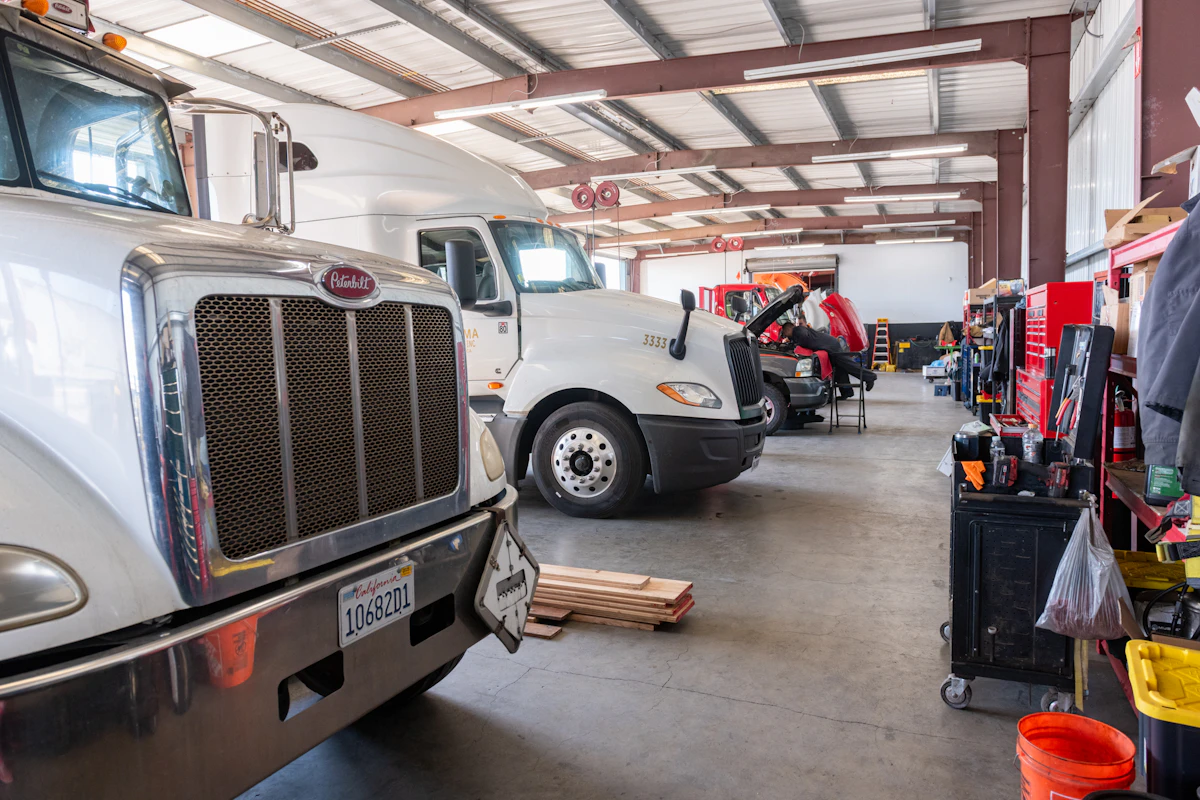

Finding the right truck repair shop can save you time, money, and plenty of stress. Heavy-duty trucks take a beating every day.
Between long hauls, stop-and-go traffic, rough roads, and heavy loads, parts wear down faster than many drivers expect. When something fails, you need a repair shop that can diagnose the problem correctly and get your truck back on the road without unnecessary delays.
Not every repair facility offers the same level of service. Some shops focus on quick fixes, while others invest in experienced technicians, proper diagnostic equipment, and long-term reliability. Choosing the right shop can make a major difference in your truck’s performance and uptime.
Here are three important features to look for when choosing a dependable heavy-duty truck repair facility.
Experienced Diesel Technicians Matter
Modern diesel trucks are far more advanced than older models. Today’s engines rely on electronic control modules, fuel injection systems, after-treatment systems, and advanced diagnostics to operate efficiently. A skilled technician needs to understand how these systems work together.
Diesel engines rely on compression ignition rather than spark plugs. Fuel injectors spray aerosolized diesel fuel into the combustion chamber, where heat generated through compression ignites the mixture. Glow plugs help during cold starts by heating incoming air and fuel. These systems require proper testing and precise repairs to avoid performance issues.
An experienced diesel mechanic should know how to identify root causes instead of replacing random parts. That matters because many truck problems can produce similar symptoms.
Poor acceleration, excessive smoke, overheating, or hard starting may involve fuel delivery, airflow restrictions, sensors, cooling components, or after-treatment failures.
A quality repair shop should also have experience with:
- Preventive maintenance
- Engine diagnostics
- Transmission repairs
- Cooling system repairs
- Suspension and steering work
- Brake system inspections
- Electrical troubleshooting
Heavy-duty trucks use compressed air brake systems rather than hydraulic systems commonly found in passenger vehicles. These systems rely on air compressors, air dryers, brake chambers, slack adjusters, S-cams, and brake drums to operate safely. Proper inspections are critical for safe stopping performance.
When evaluating a shop, ask about technician experience and certifications. A reputable commercial truck repair facility should feel comfortable explaining its capabilities and repair process.
Proper Diagnostic Equipment and Technology
Guesswork has no place in modern diesel truck repair. Advanced trucks generate fault codes and performance data that technicians use during diagnostics. Without the proper tools, repairs can take longer and cost more.
Top-tier repair shops invest in professional diagnostic equipment that communicates directly with the truck’s electronic systems. These tools help technicians monitor sensor data, identify fault codes, test components, and verify repairs.
Modern trucks also use emissions systems designed to reduce harmful exhaust gases. Common after-treatment components include:
- Diesel Particulate Filters (DPFs)
- SCR catalysts
- DEF systems
- Diesel Oxidation Catalysts (DOCs)
These systems work together to control emissions and maintain compliance. A faulty sensor or failed regeneration process can create serious drivability problems if ignored.
A reliable truck service shop should understand how to diagnose:
- DPF restrictions
- DEF system faults
- Sensor failures
- Regeneration issues
- Fuel system problems
- Electrical communication faults
Diagnostic speed matters too. Downtime costs money, especially for owner-operators and fleets. Shops with updated software and proper equipment can often identify problems faster and reduce unnecessary delays.
Another sign of a quality repair facility is transparency. Technicians should clearly explain what they found, why the issue happened, and what repairs are necessary. Confusing explanations and vague answers usually create more frustration later.
Strong Preventive Maintenance Programs
The best truck repair shops do more than fix breakdowns. They help prevent them.
Preventive maintenance keeps heavy-duty trucks operating safely and efficiently. Regular inspections help technicians catch worn parts before they fail and create larger problems.
Preventive maintenance commonly includes:
- Oil and fluid checks
- Tire inspections
- Brake evaluations
- Cooling system inspections
- Suspension checks
- Battery testing
- Filter replacements
Heavy-duty trucks rely on multiple fluids for lubrication and cooling. Engine oil lubricates internal engine components while also helping absorb heat. Coolant transfers heat away from the engine to maintain safe operating temperatures. Transmission fluid or gear oil protects driveline components from friction and wear.
Ignoring routine service can lead to:
- Overheating
- Poor fuel economy
- Increased tire wear
- Brake issues
- Transmission damage
- Engine failures
Preventive maintenance also helps reduce roadside breakdowns. Overheating, tire failures, oil pressure loss, and fuel system problems are among the most common roadside issues for heavy-duty trucks.
A dependable fleet maintenance provider should offer organized service schedules and detailed inspection reports. That allows truck owners to plan repairs before failures affect delivery schedules or job deadlines.
Additional Signs of a Reliable Truck Repair Shop
While technician skill, diagnostics, and preventive maintenance are the biggest priorities, a few other details can help separate average shops from great ones.
Look for shops that:
- Communicate clearly about repairs and timelines
- Provide detailed estimates
- Keep clean and organized service bays
- Prioritize safety inspections
- Offer fast turnaround times when possible
- Stand behind their repair work
Customer service matters too. A shop that treats drivers with respect and keeps customers informed throughout the repair process usually delivers a better overall experience.
Location can also play a role. Working with a trusted truck repair shop in Cumberland, RI makes scheduling service easier and reduces travel time for inspections and repairs.
Why Choosing the Right Shop Saves Money
Many truck owners focus only on repair costs. That approach can backfire quickly. Cheap repairs often become expensive repairs when problems return shortly afterward.
A quality diesel repair shop helps reduce long-term operating costs by:
- Catching problems early
- Performing accurate diagnostics
- Using quality replacement parts
- Preventing repeat failures
- Improving vehicle reliability
Reliable repairs also help protect fuel economy, tire life, and overall truck performance. That adds up over thousands of miles.
For fleet operators, consistent maintenance and dependable repairs help reduce downtime across multiple vehicles. That keeps schedules moving and customers happy.
Trust a Truck Repair Shop Today
Choosing the right truck repair shop is about more than fixing breakdowns. You want experienced diesel technicians, modern diagnostic equipment, and strong preventive maintenance support. Those three features help protect your truck, reduce downtime, and improve long-term reliability.
If you need dependable commercial truck repair in Cumberland, RI, contact S&D Auto & Truck. A trusted repair shop can help keep your truck operating safely, efficiently, and ready for the next haul.
%201%201.svg)

%201%201.svg)