
.webp)
.svg)
%201%201.svg)
5 Common Causes of DPF Failure in Western Star 49x
DPF failure in the Western Star 49X can lead to performance loss, forced regens, and compliance issues. Understanding what causes it can help prevent downtime and expensive emissions system repairs.
Dedicated to top-notch customer care.
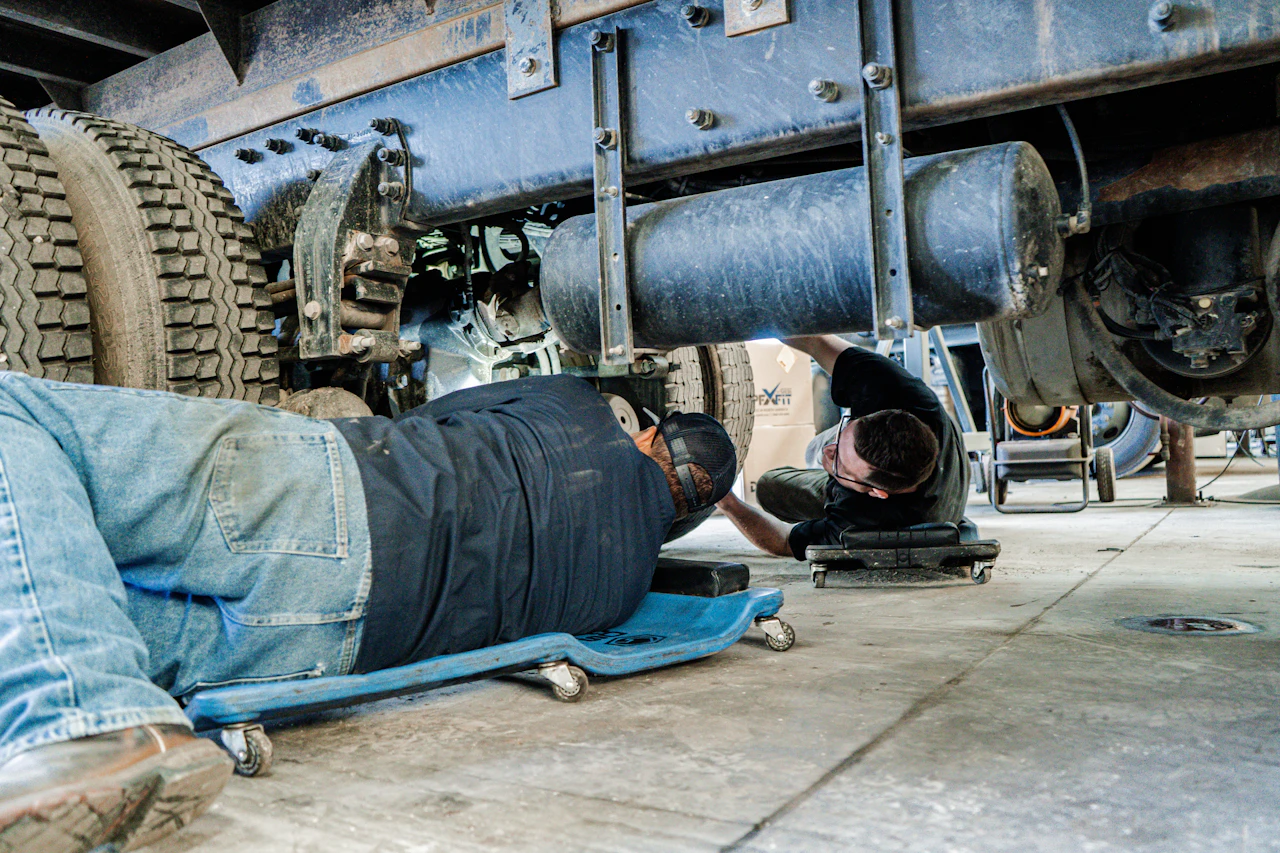

The Western Star 49X was built to take a beating. Tough, powerful, and designed for heavy loads, it’s the kind of rig built for Gulf Coast heat, long hauls, and serious work. But even the most rugged trucks can run into one of the most frustrating and expensive issues in modern diesel fleets: DPF failure.
If you’ve ever been stuck in a forced regen cycle or watched your truck go into limp mode without warning, you already know the pain. Here are the five most common causes of Diesel Particulate Filter (DPF) failure in your 49X, and how to avoid them.
1. Excessive Idling
You might not think twice about letting your truck idle during deliveries or in warm-up cycles, but excessive idling is a DPF killer, especially in hot and humid areas. When a diesel engine idles, it burns fuel at a lower temperature, creating more soot and less heat, two things your DPF hates.
Why it matters for Western Star 49x:
- Soot builds up faster in the DPF
- Engine temps stay too low to trigger passive regeneration
- Eventually, the filter clogs and forces a manual or stationary regen
Limit idle time. Use APU systems when available, and train drivers on the dangers of unnecessary idling. Regularly review idle hours in your telematics system to flag problem units early.
2. Incomplete or Skipped Regeneration Cycles
The DPF regeneration process is designed to burn off soot and keep the filter clean. But in real-world driving, regen often gets interrupted, especially if routes are short, stop-and-go, or if a driver shuts the truck down mid-cycle.
Results of interrupted regens:
- Ash and soot accumulate rapidly
- Filter restriction rises
- The system may trigger limp mode or fault codes
- Eventually, the DPF needs off-truck cleaning or full replacement
Make sure drivers allow full regen cycles to complete, either passive or active. Educate them on warning light meanings and the importance of completing parked regens when requested.
3. Fuel Injector and Turbocharger Issues
The 49X uses powerful Detroit or Cummins engines, and both rely on precise combustion to control emissions. If injectors leak, misfire, or over-fuel, or if the turbo fails to spool properly, it can throw off the entire emissions system.
Why it matters:
- Over-fueling leads to more soot production
- Incomplete combustion raises exhaust particulates
- Failed turbochargers reduce the exhaust pressure needed for regen
- DPF can’t keep up with the soot load
Keep up with fuel system diagnostics and scheduled injector testing. Don’t ignore loss of power or black smoke. It often points to combustion problems that will eventually clog your emissions system.
4. Oil or Coolant Contamination
A leaking EGR cooler, valve cover gasket, or worn-out turbo seal can allow oil or coolant into the exhaust stream. When that happens, the DPF gets contaminated.
Contaminated DPFs suffer:
- Blocked channels that can’t regenerate
- Permanent damage to the internal substrate
- Unusual smells during regen cycles
- Complete filter replacement required
Perform regular leak inspections. If your 49X starts burning oil or you notice a sweet smell in the exhaust, pull the truck immediately for inspection.
5. Poor-Quality Fuel and Additives
The fuel you pump into your 49X matters more than you think. Low-grade diesel, biodiesel blends with poor quality control, or excessive fuel additives can increase soot production and clog your DPF faster than usual.
Potential problems include:
- Increased ash formation
- Incomplete combustion
- Increased regen frequency
- Shortened DPF lifespan
Fuel up at high-volume, trusted stations. Use OEM-approved additives only when necessary, and never overdo it. Watch for signs like black smoke or a spike in regen cycles after fueling, those are red flags.
Stay Ahead of DPF Problems in Your Western Star 49X
DPF failure isn’t just inconvenient, it’s expensive. From forced regens and limp modes to full-on replacements, emissions system issues can take your 49X off the road when you need it most. But with the right maintenance strategy, fuel habits, and driver training, you can stay ahead of the soot storm.
S&D Auto & Truck specializes in DPF cleaning, diagnostics, and replacement for the Western Star 49X and other heavy-duty diesel trucks, helping you keep your rig compliant, powerful, and on the road. For more information about the truck industry, check out our article about pre-trip inspection and driver understanding.
%201%201.svg)

%201%201.svg)